
Jewellery Metals, Care & Wear
Your every day Jewellery buy, wear & care guide
Understanding your metal options, caring for your jewellery, and wearing what you own.
CARING FOR YOUR AVEAN JEWELLERY
LESS FUSS THAN YOU THINK.
YOUR PVD HARDWARE — LINKS, CLASPS AND CHAINS
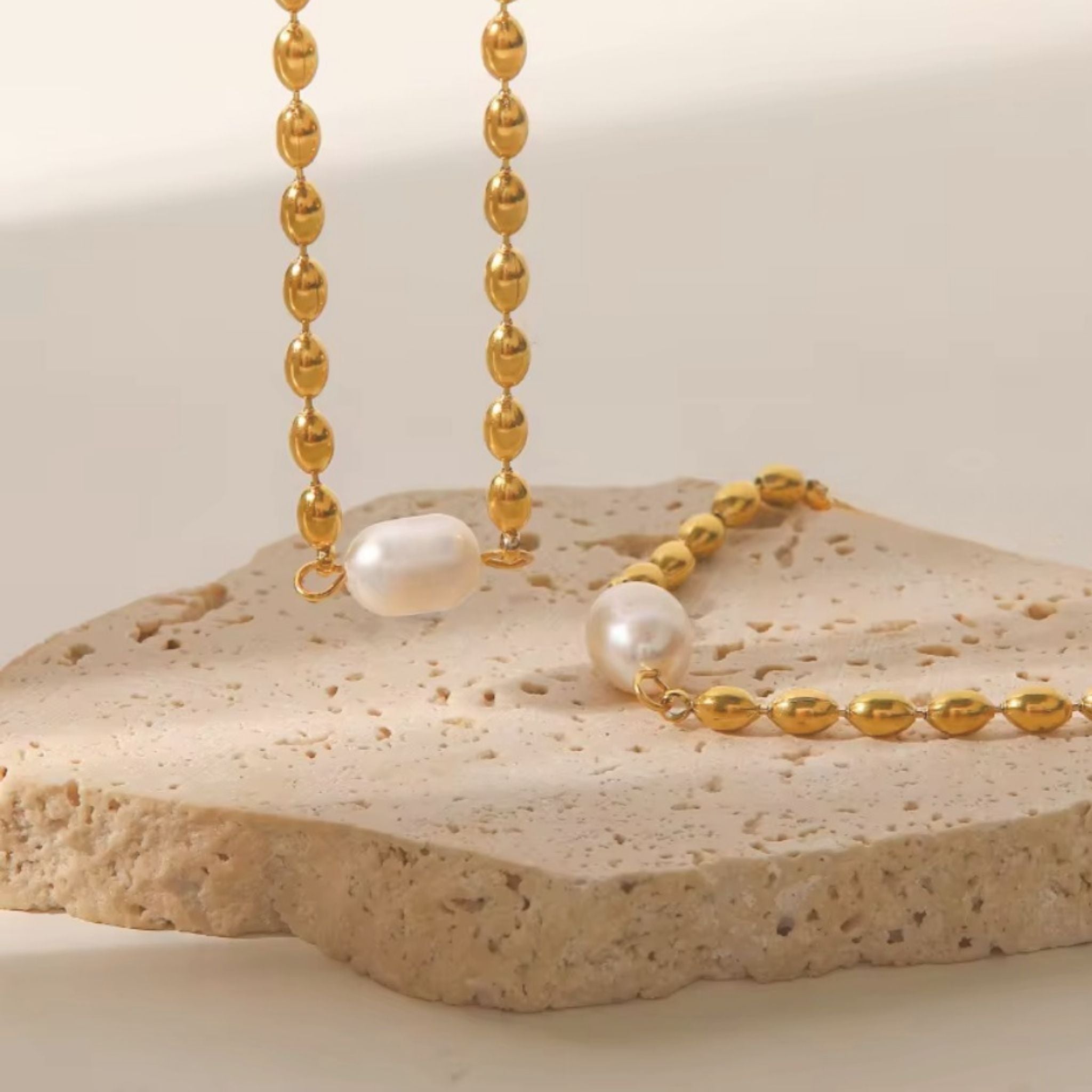
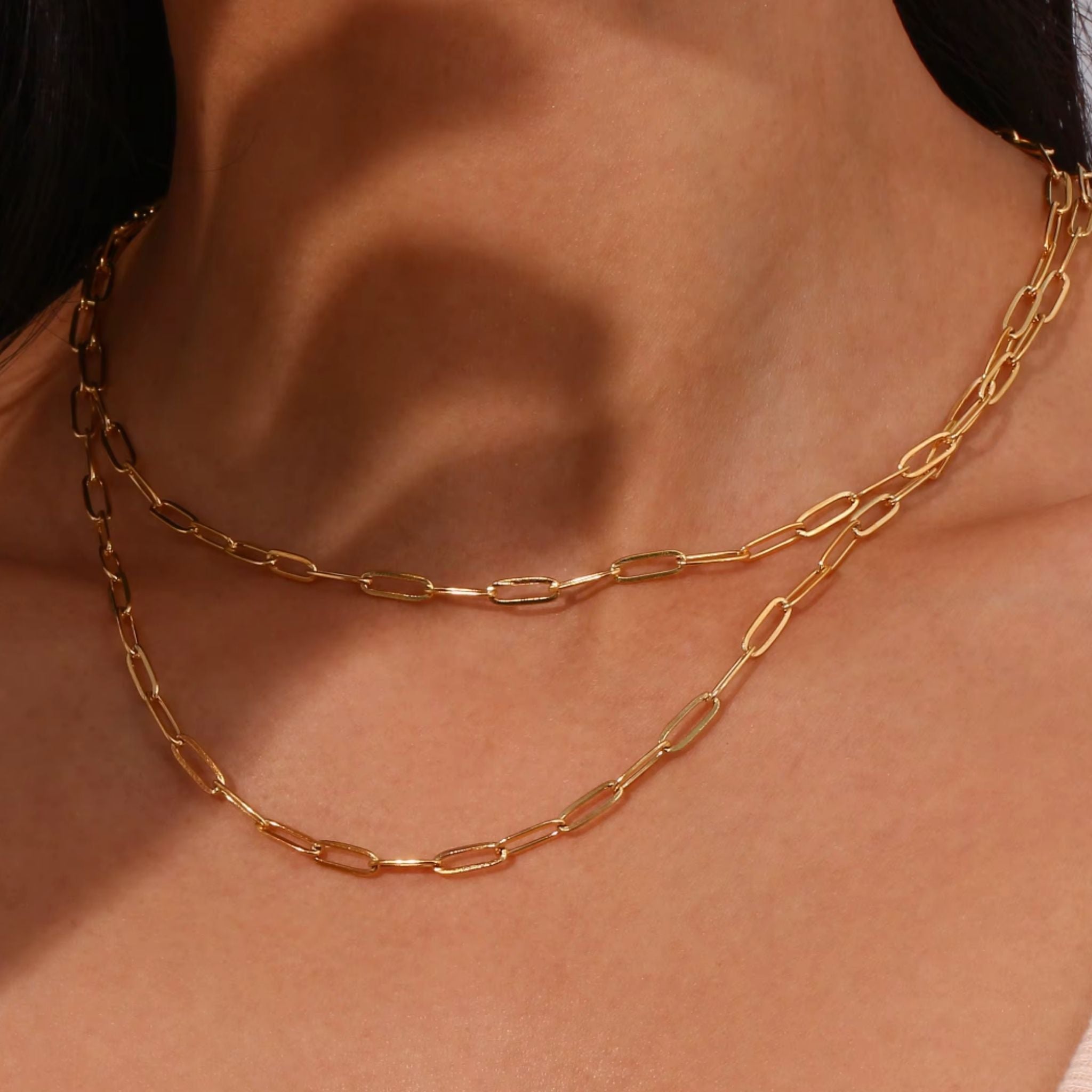
The PVD gold and silver finish on all Avean hardware is waterproof and tarnish resistant. Shower in it, swim in it, wear it to the gym. It won't tarnish, fade, or discolour with regular wear.
If you've been swimming in the ocean or a chlorinated pool, a quick rinse under clean water is a good habit — not because the finish needs it, but because salt and chlorine build up over time and a rinse takes only five seconds.
YOUR FRESHWATER PEARLS
Pearls are a natural gemstone — and the one part of your Avean jewellery that deserves a little attention. Not a lot. Just a little.
Put your pearls on last — after perfume, hairspray, moisturiser, and sunscreen. Take them off first. The skin's natural moisture is actually good for pearls — it helps maintain their lustre. What damages them is everything else we put on our skin before we get dressed.
For cleaning, a soft cloth dampened with lukewarm water is all you need. Wipe gently, let the piece dry flat. Never soak a strung pearl piece — water weakens the thread over time.
Store them flat in the soft pouch they arrived in, to separate them from other jewellery. Harder stones and metal clasps can scratch the nacre without you even noticing.
One more thing — wear them. A pearl left in a drawer slowly loses its glow. They're meant to be worn.
WHAT IS YOUR JEWELLERY ACTUALLY MADE OF?
UNDERSTANDING YOUR METAL OPTIONS
When you're standing in a jewellery store — or scrolling through an on-online catalogue — the descriptions can feel deliberately confusing. Gold Plated. Gold Vermeil On Sterling Silver. 14kt Gold PVD Finished. Solid 9ct or 18ct Gold.
They all sound like variations of the same thing.
They're not.
Understanding the difference only takes a few minutes and will change how you shop for jewellery for the rest of your life.
REAL GOLD & Silver — AND WHAT THE NUMBERS MEAN
9 carat gold
9 carat gold is 37.5% pure gold. The remaining 62.5% is a mix of other metals melted together with the gold — usually silver, copper, or zinc — which actually makes it harder and more durable than higher carat options. It's the most affordable real gold and the most common in Australian jewellery.
14 carat gold
14 carat gold is approximately 58.3% pure gold and 41/7% other metals. The sweet spot for everyday fine jewellery — rich enough in colour to look and feel luxurious, hard enough to handle daily wear without special care.
18 carat gold
18 carat gold is 75% pure gold mixed with 25% of other metals. It's a deeper, richer yellow colour — the standard for high-end fine jewellery. Beautiful, but noticeably more expensive, and the higher gold content makes it significantly softer.
The simple rule: The higher the carat — the more % of gold — the brighter the colour — the softer the metal — and the higher the price.
For jewellery you plan to wear every day, 9ct or 14ct is generally more practical than 18ct.
Sterling silver
Sterling silver is 92.5% pure silver mixed with other metals for durability. It's a genuine precious metal with a cool, bright finish that many women prefer to gold. The limitation is tarnishing — sterling silver reacts with air and moisture over time and will darken without regular cleaning and care. With consistent care it stays beautiful — but it does require attention.
Vermeil, plating & PVD
What the other metals are, how they wear, and why it's worth knowing the difference.
The finish, the base metal, and what's actually touching your skin.
It all matters more than you think.
The other gold and silver — and why they're not all equal
Gold Vermeil
Pronounced Ver-May - sits between solid gold and regular plating. Real gold is coated onto the base metal, usually sterling silver – not the brass or copper found under cheaper plated pieces.
The gold coating on vermeil is usually 2.5 micron – a lot thicker than the coating used for regular gold plated jewellery - making it more durable, but it still isn’t solid gold because the gold only sits on the surface. So it can wear down over time, especially with frequent exposure to water, perfume, lotions or sweat.
Gold & silver plated
Plated jewellery has a thin layer of gold or silver — usually 0.05–1 micron — layered over brass or copper.
It's the most affordable option and initially it looks great, but it's also the most unforgiving. Get it wet, and it tarnishes. Wear it every day, and the gold or silver layer wears through — exposing the base metal underneath. This is where the green skin and itchy rashes come from.
Think of it as jewellery with an expiry date. Fun while it lasts, but it won't last long.
PVD - Gold & silver Finished
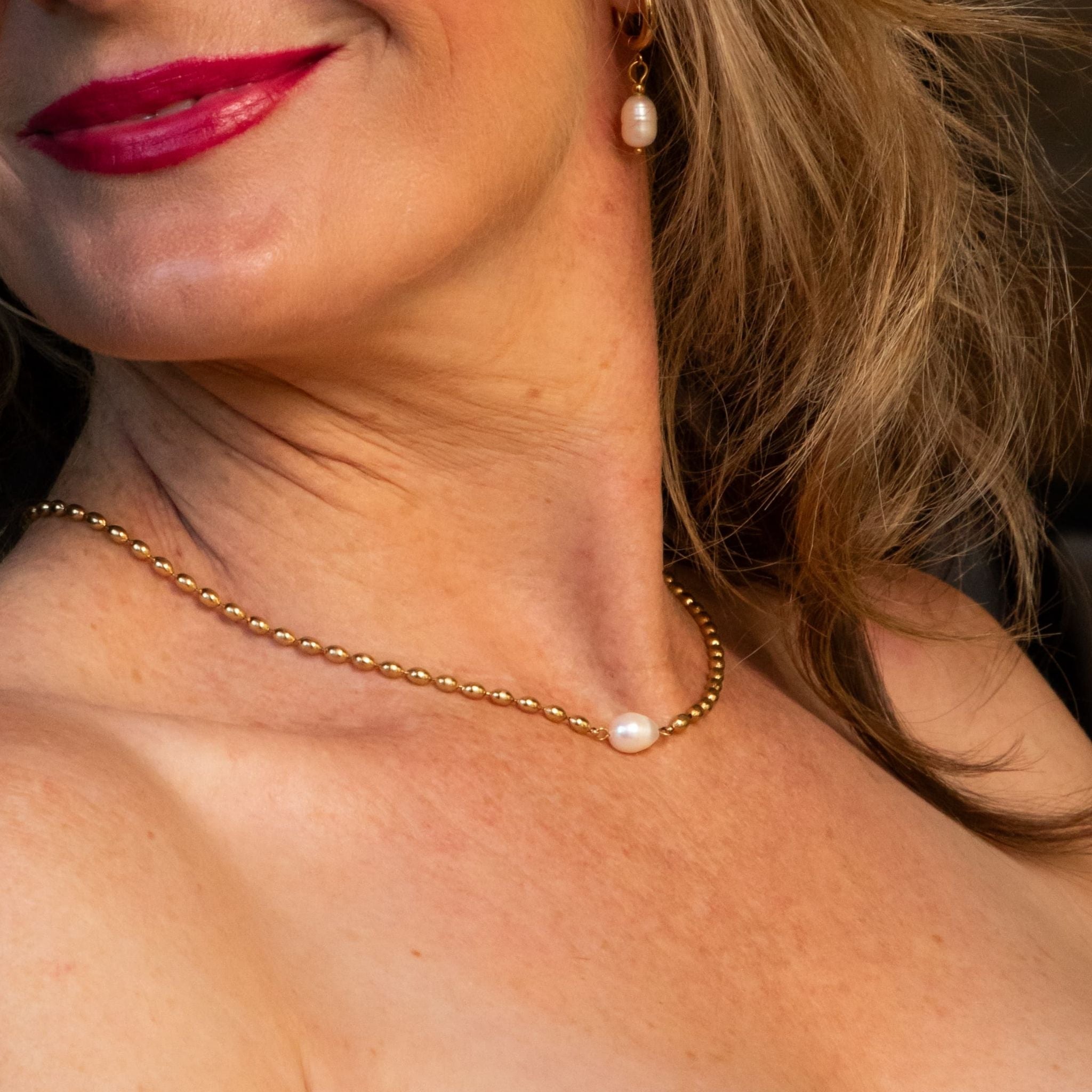
PVD (Physical Vapour Deposition) is a different process entirely – the gold (or silver-toned) finish is molecularly bonded to a stainless steel base, making it more durable than the thin gold layer that's simply sitting on the surface with traditional gold coating.
PVD finishing on stainless steel is waterproof, tarnish-resistant, it won't chip or oxidise. It's hypoallergenic and won't turn your skin green or make it itchy.
It’s also more affordable than solid gold and a more sustainable choice because it’s strong, recyclable and designed to last — not fade after a few wears.
A MESSAGE FROM OUR FOUNDER
JEWELLERY THAT GETS WORN IS JEWELLERY THAT GETS LOVED.
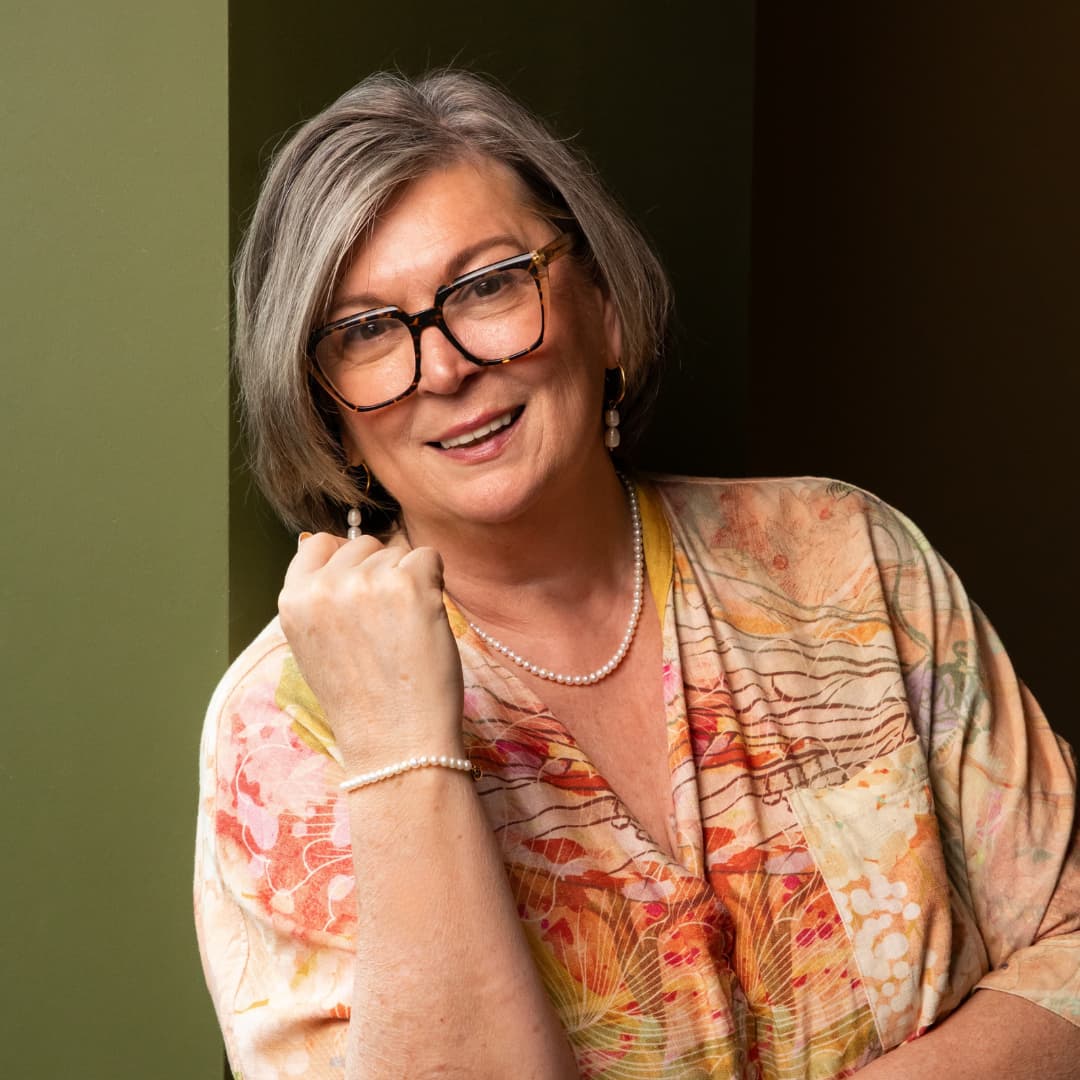
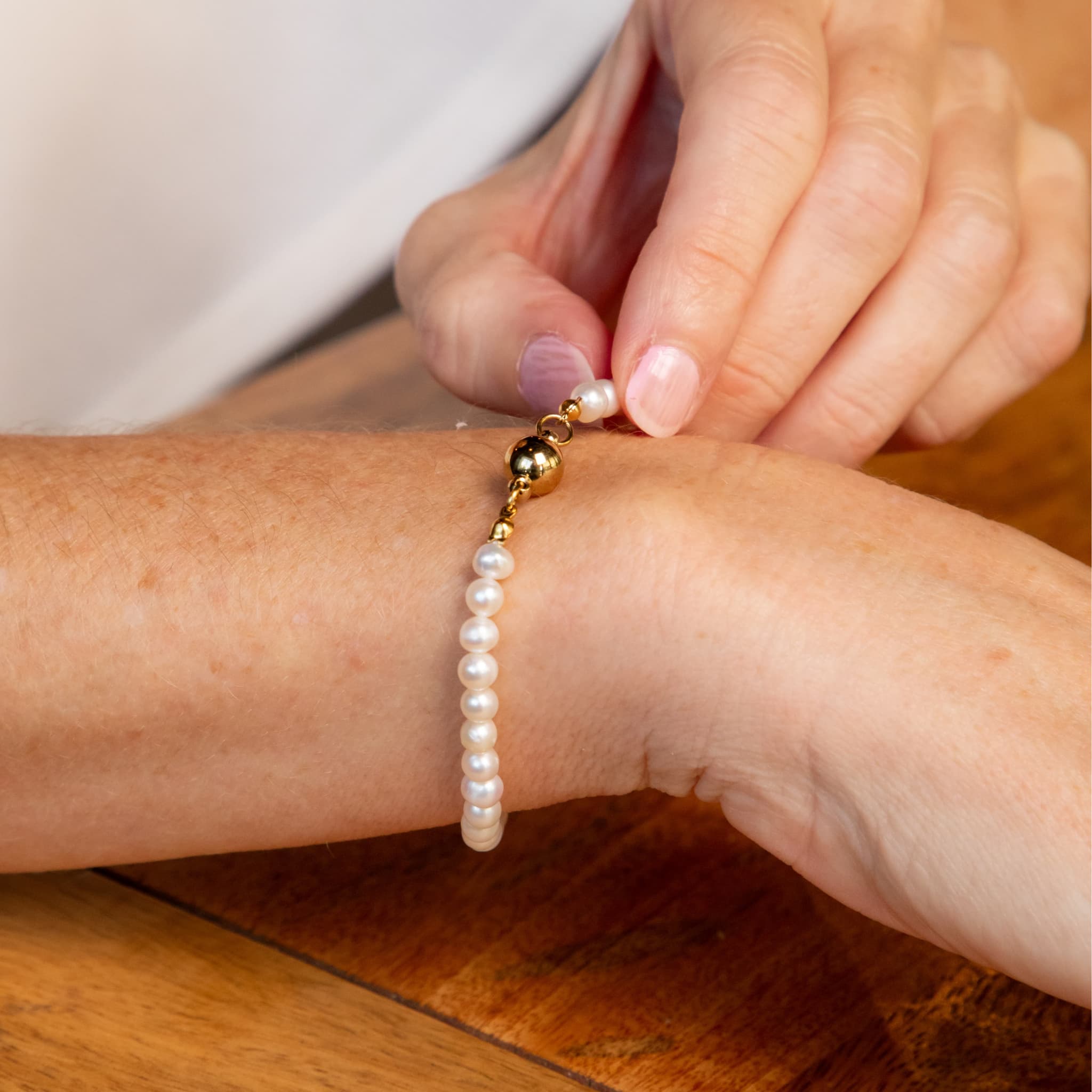
I started Avean Jewellery because I couldn't find what I was looking for. I wanted jewellery I could put on myself, wear every day, and not have to think about. Modern enough to feel current. Well-made enough to last. With a clasp that didn't require a second pair of hands or a good dose of patience.
I also wanted to understand what I was buying. The jewellery industry isn't always straightforward about what things are made of, how they're made, or what will actually hold up to daily life. I hope this guide has made some of that clearer.
You don't need to be an expert. You just need to know enough to make good decisions — and to feel confident wearing what you own, every day, not just on special occasions.
If you ever have a question — about your jewellery, about the clasp, about anything at all — you can reach me at support@aveanjewellery.com.au. I read every message.
— Lynnette